PixToPrompt / The 1980s collection
1980s Bollywood photos, starring you.
Create a Bollywood-inspired studio portrait with rich fabrics, warm light and a vintage film finish. Choose a silk outfit or a classic wide-collar shirt.
One reference photo. One credit per generation.
Sign in to upload and generate. You can copy the prompts below without an account.
JPG, PNG or WebP · Up to 10 MB. For couples or families, use one photo containing everyone.
Edit the prompt (optional)
566/1,000 characters · Facial likeness can vary.
Use photos you have permission to edit. Your upload is sent to our storage and AI provider when you generate.
Check eyes, expression and facial proportions side by side.
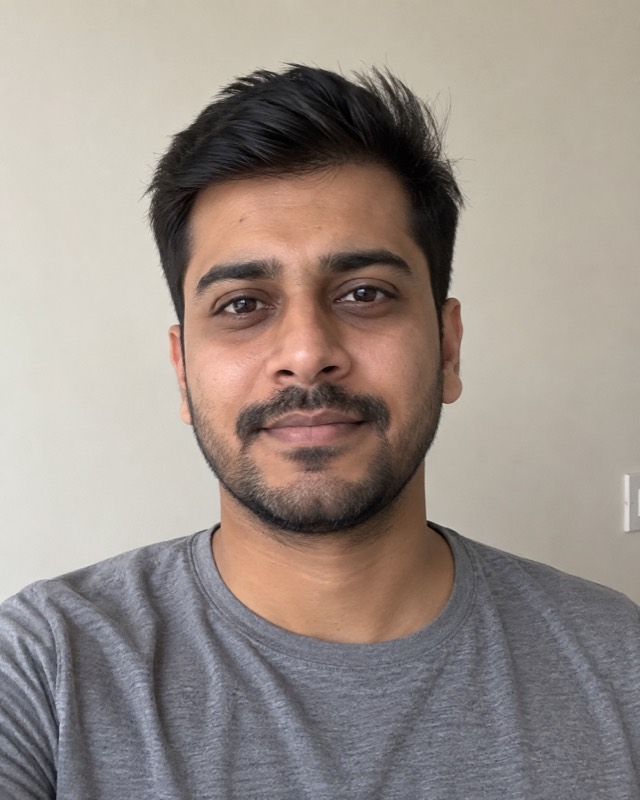
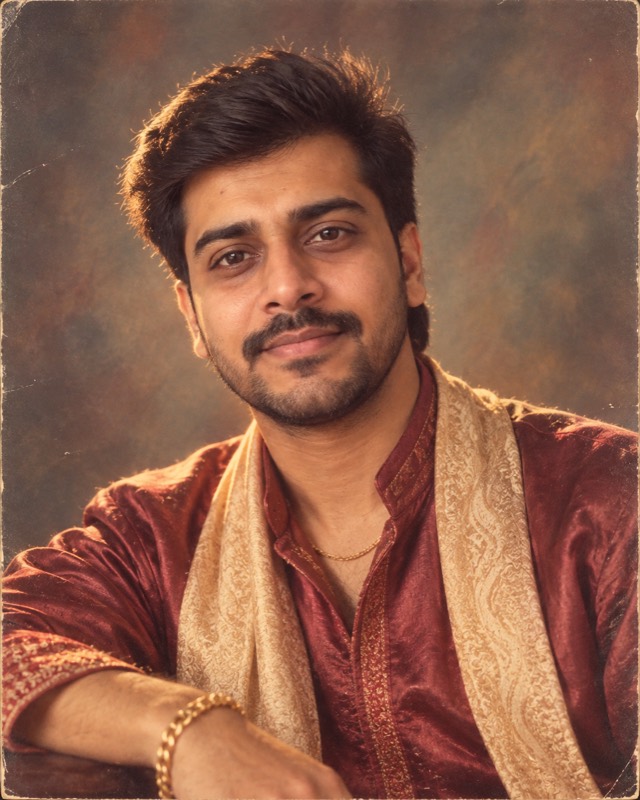
Example made with this tool from an AI-generated fictional person — not a real customer photo. Your own result will replace it.
Explore the copy-ready promptsFind a look. Keep the prompt.
A Bollywood-inspired retro photo has to be right twice: right for the decade and right for the place. Prompts written for an American eighties look will produce a convincing 1985 photograph of someone who does not look like they were photographed in India. This page is about the specifics that close that gap, and about the regional differences inside India that a single Bollywood label flattens.
Copy any of these without signing in. In ChatGPT or another image editor, attach your own photo before pasting the text. Results vary by model.
Rich fabric, warm tungsten light and a cinematic portrait.
Edit the uploaded photo into a realistic photograph from 1985. Preserve each person's recognizable facial features, apparent age, skin tone and expression. Keep natural skin texture, subtle film grain and slightly faded print colors. No modern devices, logos, text or watermarks. One person in a 1980s Hindi cinema publicity portrait, a richly colored silk outfit with restrained gold accessories, period hair adapted to their current hair, painted studio backdrop and warm tungsten key light with soft halation. Do not imitate a celebrity or a specific film poster.
Use this look with my photoA wide-collar shirt and dramatic, warm studio lighting.
Edit the uploaded photo into a realistic photograph from 1985. Preserve each person's recognizable facial features, apparent age, skin tone and expression. Keep natural skin texture, subtle film grain and slightly faded print colors. No modern devices, logos, text or watermarks. One person wearing a patterned wide-collar shirt and high-waisted trousers in a 1980s Hindi cinema publicity portrait. Preserve existing facial hair. Directional amber light, a simple painted backdrop, waist-up composition and restrained print grain. No celebrity likeness or poster typography.
Use this look with my photo1980s Hindi cinema had a particular look
Publicity photography of the period was not simply a portrait in Indian clothing. It had its own conventions, and naming them is what separates a result that reads as eighties Bombay from one that reads as generic vintage with a saree added.
- Fabric and drape
- Soft chiffon in pastel shades — powder pink, mint, pale yellow — for the heroine look; richer silk with restrained gold work for a formal studio sitting.
- Jewellery, kept restrained
- Jhumka earrings and a bindi do more period work than a full set. Loading on jewellery pushes the result towards bridal photography, which is a different genre.
- Hair with volume and curl
- Voluminous, softly curled hair rather than a sleek modern blow-dry. As with any era prompt, ask for volume adapted to your existing hair.
- Warm, diffused studio light
- A warm tungsten key with soft diffusion and gentle halation around the highlights. This glow is one of the most recognisable signatures of the period and is easy to ask for by name.
- Men's styling
- Wide-collar patterned shirts and high-waisted trousers, or a formal kurta for a studio portrait. Directional amber light suits this better than flat frontal lighting.
The film stock does half the work
Colour is where most Indian retro attempts fall down, because the default output of a modern model is clean and neutral and the period was neither. Photographs from eighties India carry the character of the consumer colour negative film that was actually available, and naming that character in the prompt is more effective than asking for warm tones.
The useful vocabulary is specific: the warm, saturated rendering of consumer colour negative stock such as Kodak Gold or Fuji Superia; a slightly overexposed studio flash rather than a carefully balanced exposure; a soft vignette falling off towards the corners; and restrained grain that sits in the shadows without covering the face. Ask for those four and the image starts to look photographed rather than filtered.
India is not one aesthetic
Bollywood is the most searched term for this trend, but it describes Hindi-language cinema specifically, and the look people actually want is often regional. Treating Bollywood as a stand-in for all Indian retro photography produces results that feel wrong to the people they are meant to please, and the fix is simply to name the region.
- Kerala and Malayalam cinema
- A Kerala saree in cream and gold, traditional gold jewellery, a natural period haircut, and a setting of lush green or an old Keralan house. The colour rendering is more muted than the Hindi studio look, not warmer.
- South Indian cinema more broadly
- Silk sarees in deeper, more saturated colours, heavier gold work, and a studio style that sits closer to formal portraiture than to the soft-focus Hindi publicity still.
- The default problem
- If you do not name a region, the model picks one for you, usually the most heavily represented in its training data. Naming it is the difference between your family recognising the photograph and finding it slightly off.
Looking like the era, not like a particular star
The natural way to describe this look is by naming an actor from the period, and it is worth resisting. Asking a model to make you look like a named performer pushes it towards that person's face rather than yours, which defeats the point of supplying your photograph — and it produces a likeness of a real person who did not agree to it.
Describe the wardrobe, the lighting and the print finish instead. Those are what you actually respond to in the photographs you are thinking of, and they transfer to your own face cleanly. The same applies to reproducing a specific film poster, including its typography and layout: prompts on this page describe a studio sitting in the style of the period rather than copying any particular published image.
Questions people ask about this one
Can I ask to look like a specific 1980s actor?
Do I have to be in a saree?
Why did my skin tone change?
Which regional look should I choose?
Do these work for men?
The rest of the 1980s collection
- 1980s AI Photo Prompts & Photo GeneratorStart here for the whole prompt set and how to run it in ChatGPT
- 1980s Couple Photo Generator & 80s Couple PromptsTwo people, and how to keep the faces from merging
- 1980s Portrait Generator & Retro Photo PromptsOne person, and how to stop the face drifting
- 1990s couple portrait promptThe neighbouring decade, for comparison
- Extract a prompt from any reference imageSaw someone else’s retro photo? Get the prompt behind it